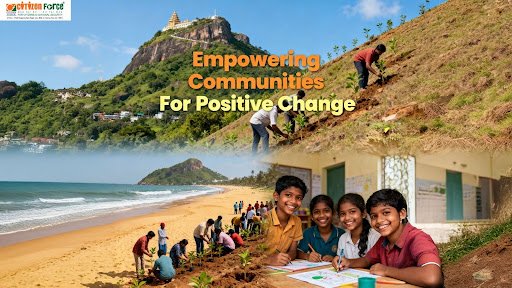
In every corner of the world, communities hold the power to create meaningful change. When people come together with shared values, goals, and dreams, they can transform not just their surroundings but also the future of generations to come. Empowering communities for positive change is not just a phrase — it’s a movement. About giving people the tools, voice, and confidence to make a difference in their own lives and in society.
What Does Empowering Communities for Positive Change Mean?
At its heart, empowering communities for positive change means helping people take control of their circumstances. It involves enabling them with education, opportunities, and support so they can solve problems on their own. Empowerment starts when communities are trusted to lead — when people feel heard, respected, and valued.
It is not about charity or handouts; it’s about collaboration. It’s about creating the right environment where individuals can thrive, where local ideas are supported, and where everyone contributes to progress.
Why Empowering Communities for Positive Change Matters
When communities are empowered, the entire society benefits. Real, long-lasting progress does not come from one person or one organization alone — it comes from collective effort. Here’s why empowering communities for positive change matters so deeply:
- Sustainable Growth: Empowered communities develop local solutions to local problems. They don’t wait for outside help; they innovate with the resources they have.
- Social Unity: When people work together toward common goals, social barriers begin to fade. Cooperation replaces conflict.
- Economic Stability: Empowered communities create jobs, promote entrepreneurship, and support small-scale industries that boost local economies.
- Better Education and Health: With awareness and resources, communities can improve literacy, healthcare, and nutrition, ensuring a better quality of life for everyone.
- In short, empowering communities is like planting seeds of change that grow strong with time.
The Power of Small Steps
Many people believe that to create big change, we need big actions. But in reality, small steps often lead to the biggest impacts. Each act of kindness, awareness, or leadership adds up to a wave of transformation.
For example, when a group of local women starts a self-help group to promote savings, it’s a small step. But that small step builds financial independence, confidence, and influence. When youth in a village organize a cleanliness drive, it’s a small act, but it leads to healthier environments and stronger community spirit.
That’s what empowering communities for positive change is all about — small actions creating big ripples.
Education: The Foundation of Empowerment
Education is the most powerful tool in any empowerment process. When people gain knowledge, they gain confidence. They understand their rights, responsibilities, and opportunities.
Communities that invest in education see a visible transformation. Children who attend school regularly become future leaders. Women who are educated manage their finances better and make informed family decisions. Adults who learn new skills find better employment.
By promoting education and skill development, we can continue empowering communities for positive change in a meaningful and lasting way.
The Role of Technology in Empowering Communities
Technology has changed how communities connect and grow. With access to smartphones and the internet, even remote villages can now access government services, online learning, and digital banking.
Digital literacy programs help people understand how to use technology for their benefit — from selling handmade goods online to applying for scholarships or healthcare assistance.
When technology reaches the grassroots level, it becomes a bridge that connects opportunity with potential. That’s another way of empowering communities for positive change, using modern tools for inclusive growth.
Local Leadership and Community Involvement
Strong leadership plays a key role in empowerment. But true leaders don’t command — they guide, support, and inspire. Local leaders who understand their community’s unique challenges are best suited to bring about real transformation.
When decision-making is shared, people feel included. They take ownership of projects, whether it’s building a school, maintaining clean water systems, or organizing social awareness drives. Participation strengthens democracy and ensures accountability.Empowering communities for positive change begins with trusting local leaders and encouraging active participation at every level.
Gender Equality: A Cornerstone of Change
No community can truly progress if half of its population is left behind. Empowering women is central to empowering communities for positive change. When women are given equal access to education, healthcare, and employment, the entire community flourishes.
Empowered women become role models. They contribute to family income, support children’s education, and lead local initiatives. Promoting gender equality is not just about fairness; it’s about unlocking the full potential of society.
Health and Well-Being: Strengthening the Base
Healthy communities are strong communities. Access to proper healthcare, clean water, and sanitation plays a huge role in empowerment. When people are healthy, they can work, learn, and grow.
Community health programs, vaccination drives, and awareness campaigns are great examples of small but powerful actions. These simple steps help in empowering communities for positive change by creating a foundation of wellness and resilience.
Environmental Awareness and Sustainability
Empowerment also means protecting our surroundings. Communities that take care of their environment ensure a better future for themselves and for the next generation.
From planting trees to reducing plastic use, local efforts have a global impact. Teaching environmental responsibility within the community helps people understand that every action counts. Sustainable living is not just a choice anymore — it’s a necessity.
Real-Life Examples of Empowering Communities for Positive Change
- Self-Help Groups in India: Thousands of women in rural India have formed self-help groups to save money, start small businesses, and support each other.
- Community Clean-Up Drives: Local youth groups leading cleanliness campaigns have improved hygiene and civic responsibility in many towns.
- Digital Education Initiatives: NGOs offering free online training have helped thousands of students and job seekers access learning materials they never had before.
Each of these examples shows how small steps can make a big impact — the true essence of empowering communities for positive change.
How You Can Contribute
You don’t need to be part of a large organization to make a difference. Empowerment begins with small, consistent efforts. Here’s how you can contribute:
- Volunteer your time for local initiatives.
- Educate others about rights, health, and sustainability.
- Support local businesses and entrepreneurs.
- Encourage women and youth participation in decision-making.
- Use your voice on social media to spread awareness.
Each action counts, and together, they create a wave of transformation.
The Road Ahead
Empowering communities for positive change is a journey, not a destination. It requires patience, unity, and faith. Every effort — no matter how small — contributes to building a society that is inclusive, strong, and compassionate.
As we move forward, let’s remember that real progress is not measured by wealth or technology alone, but by how much we uplift one another. The future depends on how well we empower our communities today.
Final Thoughts
When people come together, amazing things happen. Empowering communities for positive change reminds us that transformation begins from within — with trust, education, and collaboration.